Over the years, I’ve had my share of rejection letters. In fact, I often tell middle school students that I could wallpaper a room in my house from the stack I’ve received.
Before email was a thing, (yes, for the first 2.5 decades of my life, I lived in a world before the internet) letters would arrive in my mailbox. Most were standard rejection letters. Thank you, but no thank you.
Hope dashed, I wondered if I would ever achieve my goal to become a published author.
“You have to develop rhino skin,” one editor told me.
Easier said than done. Just peel off my toenails one by one. I am a words of affirmation gal, so rejections sting worse than the time I had to go to the hospital because I got stung multiple times in the face by a wasp.
One rejection letter, however, sticks out above the rest. When I tore into the envelope, I was surprised to see a picture of a head of lettuce.
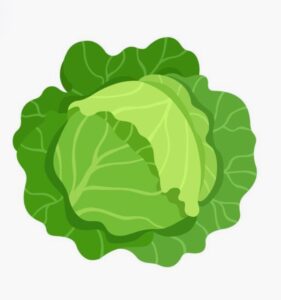
Curious, I read the words, trying to make sense of this strange header. Was this some new division of the publishing company? Was there an editor whose last name was Lettuce? Maybe she was French.
Dear Mrs. Prusia, Thank you for your recent submission. Let us tell you what’s wrong with your writing.
Ouch!
This was followed by a list. Someone had checked a box next to the reason my manuscript was not a good fit for their company.
I snorted, not sure whether to admire their creative response or scream at their insensitivity.
My books were my babies. How could you work with authors and not understand that every written word was tied to our very souls?
Well, that’s how I remember the traumatic memory in my head . . . until I wrote this blog and found the offensive letter.

Turns out it was a knock-knock joke.
Knock, knock. Who’s there? Lettuce. Lettuce who? Lettuce thank you for your query . . . and a few things, too.
There was lettuce involved. Just not quite the way I had filed away the painful memory.
A knock-knock joke still hurts.
But I have lots of friends who are mental health therapists.
And the whole thing is funny.
Quite the entertainment actually when I visit classrooms.
Students usually gasp, incredulous.
“Rhino skin,” I tell them. “That’s what you need to develop as a writer.”
The journey isn’t easy. Not everyone will appreciate the stories we write or want to hear what we have to say.
But lettuce remember . . . chew on the feedback, get the nutrients, spit out the junk, and keep on writing.